

EU Defence Cooperation Challenges: Navigating the Complex Landscape
- Jun 1
- 3 min read
We face a tough reality. Defence cooperation in the European Union is more critical than ever. Yet, it is riddled with obstacles. These challenges slow progress and complicate efforts to build a unified, resilient defence posture. We want to understand these hurdles clearly. Only then can we overcome them and strengthen Europe's security.
Understanding EU Defence Cooperation Challenges
The European Union aims to foster collaboration among member states to enhance collective security. But cooperation is easier said than done. We encounter several persistent issues:
Divergent National Interests: Each country has its own strategic priorities. Aligning these interests is a constant balancing act.
Budget Constraints: Defence spending varies widely. Some nations invest heavily, others less so, creating gaps in capability.
Political Will: Political changes and differing threat perceptions affect commitment levels.
Industrial Competition: National defence industries often compete rather than collaborate, hindering joint projects.
Legal and Regulatory Barriers: Complex procurement rules and export controls slow down cooperation.
These factors create a fragmented landscape. They make it difficult to pool resources, share intelligence, or develop joint capabilities efficiently.

The Impact of Divergent National Interests
We see that national interests shape defence policies profoundly. For example, countries bordering Russia prioritize deterrence differently than those in the Mediterranean. This divergence affects joint mission planning and capability development.
Take the Permanent Structured Cooperation (PESCO) initiative. It aims to deepen defence collaboration. Yet, some members hesitate to fully commit due to conflicting priorities. This hesitation slows down project execution and reduces overall effectiveness.
To address this, we need greater strategic alignment. Regular dialogues and shared threat assessments can help build consensus. Establishing common goals will encourage stronger cooperation and reduce friction.
Budget and Resource Allocation: A Persistent Challenge
Money talks, especially in defence. The EU’s collective defence ambitions require substantial investment. However, defence budgets vary significantly across member states. Some allocate over 2% of GDP to defence, while others fall short.
This disparity leads to capability gaps. For instance, countries with limited budgets may struggle to contribute to joint operations or invest in cutting-edge technology. It also affects industrial collaboration, as smaller budgets limit participation in multinational projects.
We recommend:
Encouraging harmonized defence spending targets.
Promoting joint procurement programs to reduce costs.
Leveraging EU funding mechanisms to support less-resourced members.
By pooling financial resources and sharing costs, we can enhance efficiency and build stronger capabilities.
Industrial Competition and Fragmentation
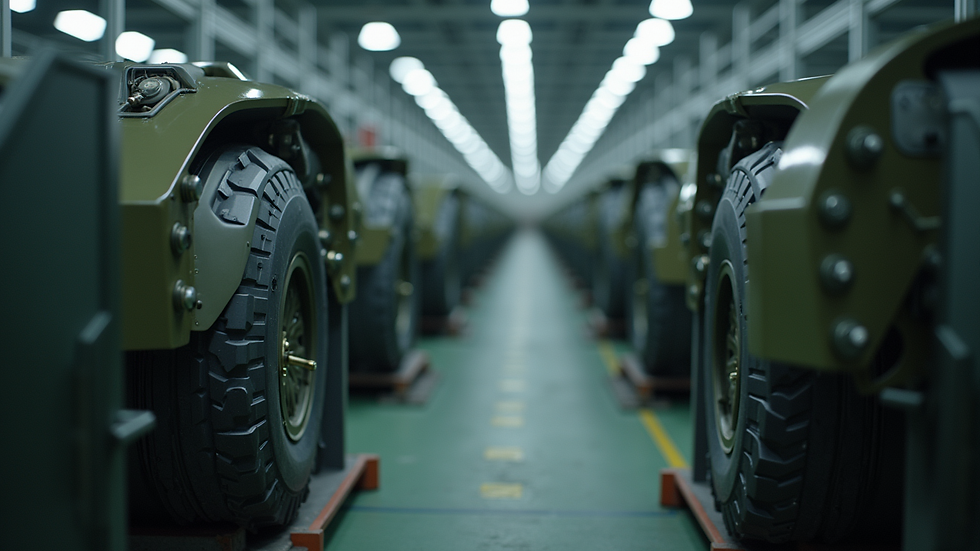
The European defence industry is a patchwork of national champions. While this diversity brings innovation, it also breeds competition. Companies often prioritize national contracts over cross-border collaboration.
This fragmentation leads to duplicated efforts and inefficiencies. For example, multiple countries may develop similar weapon systems independently, wasting resources. It also complicates interoperability during joint missions.
To overcome this, we must:
Foster cross-border industrial partnerships.
Support standardization of equipment and systems.
Encourage technology sharing and joint R&D projects.
The EU’s European Defence Fund (EDF) is a step in the right direction. It incentivizes collaborative projects and innovation. But more needs to be done to break down national silos and build a truly integrated defence industry.
Legal and Regulatory Hurdles
Legal frameworks and regulations often slow down cooperation. Defence procurement rules differ across member states. Export controls and security clearances add layers of complexity.
These barriers delay project timelines and increase costs. They also discourage smaller companies from participating in cross-border initiatives due to compliance burdens.
We suggest:
Streamlining procurement procedures across the EU.
Harmonizing export control regulations.
Creating centralized platforms for security clearances and information sharing.
Simplifying these processes will accelerate cooperation and make it easier for all players to contribute effectively.
Moving Forward: Building a Resilient European Defence
We recognize the challenges, but we also see the opportunities. The EU’s strategic autonomy depends on overcoming these obstacles. We must act decisively to:
Align national strategies through continuous dialogue.
Harmonize defence spending and leverage joint procurement.
Break down industrial barriers and promote collaboration.
Simplify legal frameworks to facilitate faster cooperation.
By addressing these issues head-on, we can transform the EU into a more capable, agile, and united defence actor.
For those of us involved in shaping Europe’s defence future, understanding and tackling these eu defence cooperation challenges is essential. It’s not just about policy or budgets. It’s about ensuring a free, resilient, and ready Europe.
Let’s work together to turn critical mission needs into effective capabilities. The time to act is now.


Comments