

German Defence Innovations: A Comprehensive Report
- 6 days ago
- 3 min read
Innovation drives progress. In the defense sector, it means staying ahead of threats and securing the future. Germany stands at the forefront of this challenge. We see a nation committed to cutting-edge technology, strategic foresight, and robust collaboration. Today, we dive deep into German defence innovations and explore how they shape the European defense landscape.
The Landscape of German Defence Innovations
Germany’s defense industry is a powerhouse of technology and expertise. It blends tradition with modernity, engineering with digital transformation. The focus is clear: develop systems that are reliable, adaptable, and future-proof.
We observe several key areas where German innovation shines:
Advanced armored vehicles with enhanced mobility and protection.
Next-generation air defense systems integrating AI and sensor fusion.
Cybersecurity solutions tailored for military-grade resilience.
Unmanned systems including drones and autonomous underwater vehicles.
Energy-efficient power systems for extended mission endurance.
Each innovation reflects a strategic vision. It’s about more than hardware. It’s about creating capabilities that respond to evolving threats and operational needs.
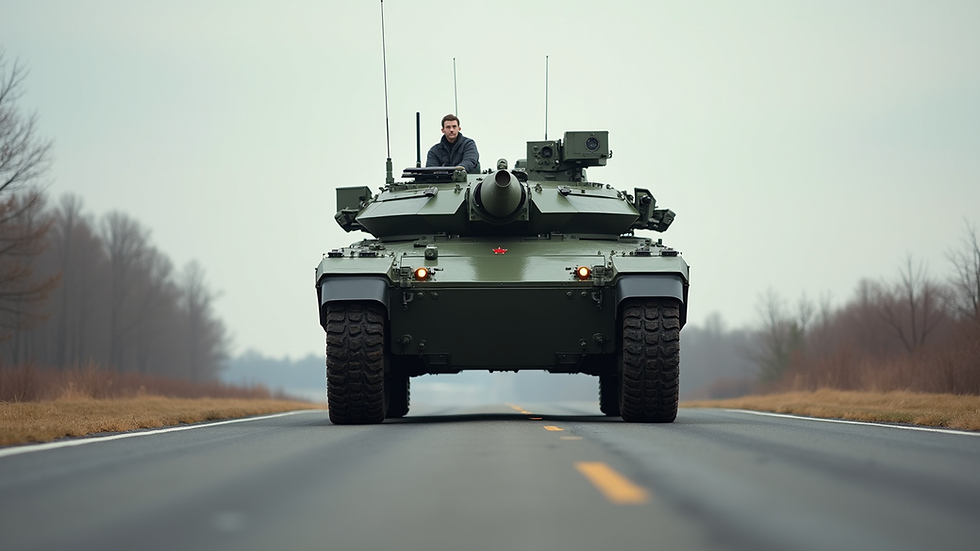
Key Technologies Driving German Defence Innovations
Let’s break down some of the standout technologies powering these advancements.
Armored Vehicle Technology
German engineers have redefined armored vehicle design. The focus is on modularity and survivability. Vehicles like the Puma infantry fighting vehicle showcase:
Modular armor packages that can be adapted to mission requirements.
Advanced suspension systems for superior off-road mobility.
Integrated digital command and control systems for real-time battlefield awareness.
This approach ensures vehicles remain relevant across diverse operational theaters.
Air Defense and Missile Systems
Germany invests heavily in air defense. The integration of AI and sensor fusion enhances threat detection and response times. Systems like the IRIS-T SLM surface-to-air missile system provide:
Multi-layered defense against aircraft, drones, and missiles.
Networked sensors that share data across platforms.
Automated target prioritization to optimize engagement.
These innovations create a robust shield for critical assets.
Cybersecurity and Electronic Warfare
In today’s digital battlefield, cybersecurity is paramount. German defense firms develop solutions that protect communication networks and critical infrastructure. Key features include:
Real-time threat detection using machine learning.
Secure communication protocols resistant to interception.
Electronic warfare capabilities to disrupt enemy systems.
This cyber resilience is a cornerstone of modern defense strategy.
Autonomous and Unmanned Systems
Unmanned systems reduce risk and extend operational reach. Germany leads in developing:
Reconnaissance drones with extended flight times.
Autonomous underwater vehicles for mine detection and surveillance.
Robotic ground vehicles for logistics and support roles.
These systems enhance situational awareness and operational flexibility.

Collaboration and Strategic Partnerships
Innovation does not happen in isolation. Germany’s defense sector thrives on collaboration. Partnerships between government, industry, and academia fuel rapid development.
Joint ventures with European allies promote interoperability.
Research consortia accelerate technology transfer.
Public-private partnerships ensure funding and resource alignment.
This ecosystem supports the swift transition from concept to capability. It also aligns with broader European defense goals, reinforcing a free, resilient, and ready Europe.
Challenges and Opportunities Ahead
No innovation journey is without hurdles. Germany faces challenges such as:
Balancing export controls with global market demands.
Integrating legacy systems with new technologies.
Addressing supply chain vulnerabilities in critical components.
Yet, these challenges open doors for creative solutions. For example:
Investing in digital twins to simulate and optimize system performance.
Expanding additive manufacturing to reduce dependency on traditional supply chains.
Enhancing training programs to build a future-ready workforce.
By tackling these issues head-on, Germany can maintain its leadership in defense innovation.
Driving the Future of European Defence Together
We see a clear path forward. German defence innovations are not just national assets; they are pillars of European security. As we engage with the german defence innovations report, it becomes evident that strategic investment and collaboration are key.
For founders, investors, and program leads, this means:
Prioritizing scalable technologies that integrate seamlessly with allied systems.
Supporting cross-sector innovation to leverage civilian tech advances.
Fostering talent development to sustain long-term growth.
Bravo Six aims to be your strategic partner in this journey. Together, we can turn critical mission needs into effective capabilities. The goal is clear: a free, resilient, and ready Europe.
Innovation is a continuous process. German defence innovations set a high bar. They challenge us to think bigger, move faster, and collaborate smarter. The future of defense depends on it. Let’s embrace this momentum and build the capabilities that tomorrow demands.


Comments