

Challenges in EU Defence Cooperation: Navigating Defence Cooperation Issues
- May 12
- 4 min read
We face a complex landscape in European defence cooperation. The stakes are high. Security threats evolve rapidly. Yet, our ability to work together effectively remains hindered by persistent challenges. We need to understand these hurdles clearly. Only then can we build stronger, more resilient defence capabilities across the EU.
Understanding the Core Defence Cooperation Issues
Defence cooperation in the EU is not just about pooling resources. It’s about aligning strategies, sharing intelligence, and coordinating capabilities. But this alignment is easier said than done. Member states have different priorities, budgets, and political will. These differences create friction.
For example, some countries prioritize cyber defence, while others focus on conventional military strength. This divergence leads to fragmented efforts. It slows down decision-making and weakens collective response. We see this in the slow progress of joint procurement programs and multinational exercises.
Moreover, national sovereignty concerns often limit the depth of cooperation. Countries hesitate to fully integrate their defence policies or share sensitive information. This cautious approach, while understandable, undermines the potential for a unified European defence posture.

EU member states discussing defence strategies in a collaborative setting
Political and Budgetary Constraints in Defence Cooperation Issues
Politics plays a huge role in shaping defence cooperation. Each member state has its own political landscape, which influences defence spending and priorities. Budget constraints are a major hurdle. Defence budgets vary widely across the EU, with some countries investing heavily and others struggling to meet even basic requirements.
This disparity affects joint projects. When one country delays funding or pulls out, it jeopardizes entire programs. The European Defence Fund (EDF) aims to address this by incentivizing collaborative projects, but challenges remain. We need more consistent and predictable funding mechanisms.
Political will also fluctuates. Changes in government or public opinion can shift defence priorities overnight. This unpredictability makes long-term planning difficult. It also discourages private sector investment in defence projects, as companies seek stable environments.
Technological and Industrial Challenges
Technology is at the heart of modern defence. Yet, the EU faces significant challenges in harmonizing technological development. Different countries use varied standards and systems, complicating interoperability. This lack of standardization increases costs and reduces operational efficiency.
The defence industry itself is fragmented. Many small and medium enterprises (SMEs) operate independently, limiting economies of scale. Large Original Equipment Manufacturers (OEMs) often compete rather than collaborate. This competition can stifle innovation and slow down the deployment of new technologies.
We must foster stronger partnerships between industry players and governments. Encouraging joint research and development projects can help. Also, streamlining certification and procurement processes will reduce barriers for SMEs and accelerate innovation.

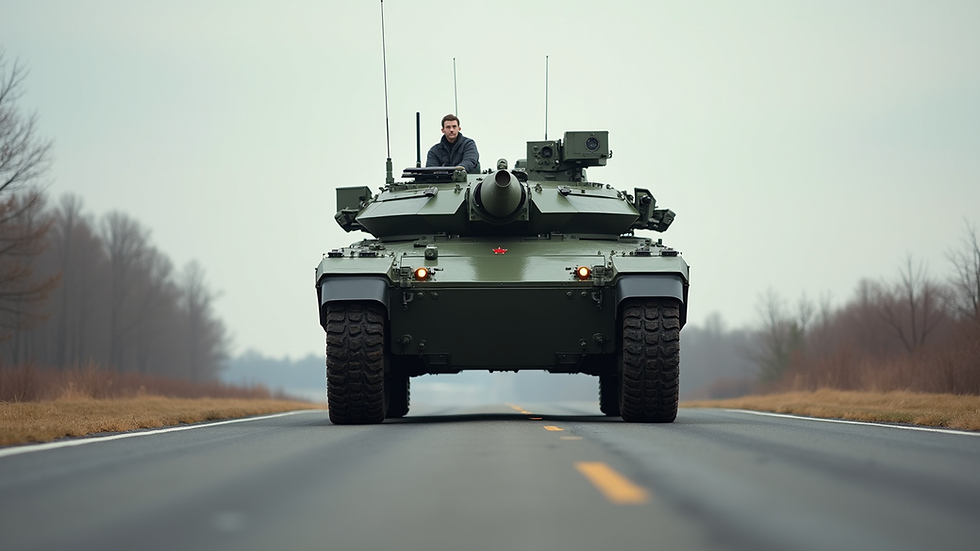
Cutting-edge military technology representing innovation challenges in EU defence
Legal and Regulatory Barriers
Legal frameworks across the EU member states differ significantly. These differences create obstacles for cross-border defence cooperation. Export controls, procurement laws, and intellectual property rights vary, complicating joint projects.
For instance, some countries impose strict export restrictions on defence equipment. This limits the ability to share or sell technology within the EU. Harmonizing these regulations is essential to facilitate smoother cooperation.
Additionally, bureaucratic hurdles slow down project approvals and funding disbursements. We need streamlined legal processes that support rapid decision-making without compromising security or transparency.
Strategic Autonomy and External Pressures
The concept of strategic autonomy is central to EU defence ambitions. We want to reduce dependency on external powers, especially in critical areas like technology and supply chains. However, achieving this autonomy is challenging.
External geopolitical pressures, such as tensions with Russia or instability in the Middle East, demand quick and coordinated responses. Yet, the EU’s fragmented defence structure often delays action. This gap undermines credibility and effectiveness.
Balancing national interests with collective goals is tricky. Some member states prefer close ties with NATO and the US, while others push for a more independent European defence identity. This divergence complicates policy coherence.
Moving Forward: Practical Steps to Overcome Challenges
We can’t afford to let these challenges stall progress. Here are some actionable recommendations:
Enhance Political Commitment: Member states must commit to long-term defence cooperation beyond electoral cycles. Establishing binding agreements can help ensure continuity.
Increase and Harmonize Funding: Create more flexible funding models that accommodate different budget cycles and priorities. The European Defence Fund should expand its scope and simplify access.
Standardize Technology and Procurement: Develop common technical standards and streamline procurement rules to improve interoperability and reduce costs.
Foster Industry Collaboration: Encourage partnerships between OEMs and SMEs through joint ventures and innovation hubs. Support cross-border research initiatives.
Simplify Legal Frameworks: Work towards harmonizing export controls and procurement laws. Introduce fast-track procedures for critical projects.
Promote Strategic Dialogue: Facilitate regular high-level discussions to align national and EU defence strategies. Build consensus on strategic autonomy goals.
By addressing these areas, we can turn the current challenges into opportunities. We can build a defence ecosystem that is agile, innovative, and united.
Embracing the Future of EU Defence Cooperation
The road ahead is demanding but promising. We stand at a pivotal moment where decisive action can transform European defence. By confronting the eu defence cooperation challenges head-on, we unlock the potential for a safer, more resilient Europe.
Our collective strength lies in unity. Let’s harness it to create defence capabilities that are not only effective but also sustainable. Together, we can ensure that Europe remains free, ready, and resilient in the face of evolving threats.
The future of EU defence cooperation depends on our ability to innovate, collaborate, and lead. It’s time to rise to the challenge.


Comments